
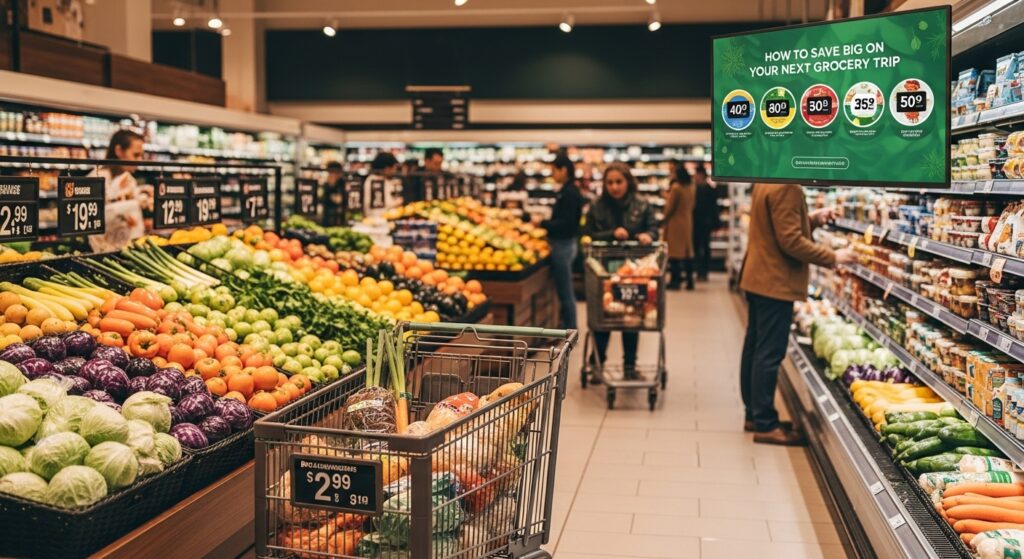
Grocery shopping is a necessity, but lately, it feels like a financial black hole. With prices soaring and budgets tightening, every trip to the supermarket can leave you feeling like you’ve been supermarked—hit hard by those rising costs. But fear not! There are ways to navigate the aisles without emptying your wallet. Whether you’re a seasoned shopper or just trying to make sense of your grocery budget, this guide will arm you with savvy tips and strategies for saving big on your next grocery adventure. Get ready to turn that shopping list into an opportunity for savings!
The Rising Cost of Groceries
Grocery prices have been climbing steadily, leaving many shoppers feeling the pinch. Factors like inflation, supply chain disruptions, and increased production costs contribute to this trend. It’s not just a few items; entire categories of food are experiencing price hikes.
Fresh produce often tops the list. Seasonal fluctuations can lead to higher costs for fruits and vegetables, making it essential to be aware of what’s in season before you shop.
Dairy products and meats have also seen significant increases. These staples often hit the budget hardest as consumers notice their favorite brands becoming pricier week after week.
As we adapt to these changes, understanding the underlying reasons helps us make informed choices at checkout. Being aware means you can strategize your shopping trips more effectively—and keep those rising costs from derailing your grocery plans entirely.
Understanding Supermarkets and their Pricing Strategies
Supermarkets employ various pricing strategies to attract shoppers and boost sales. One common approach is psychological pricing, where products are priced just below a round number, making them appear cheaper. For instance, a price of $3.99 feels more appealing than $4.00.
Another tactic involves loss leader pricing. Here, stores sell select items at a loss to draw customers in, hoping they’ll purchase other higher-margin goods while shopping.
Store layouts also play a crucial role in pricing strategies. Essentials like milk and bread are often placed at the back of the store to encourage impulse buys along the way.
Additionally, supermarkets use dynamic pricing influenced by demand and supply trends. This means prices can fluctuate based on factors like seasonality or competition from nearby stores.
Understanding these tactics can empower consumers to navigate their grocery trips smarter and save money effectively.
Tips for Planning Your Trip and Saving Money
Planning your grocery trip can make a significant difference in how much you spend. Start with a list. Jot down what you need before heading to the store. This helps avoid impulse buys that can quickly add up.
Consider shopping during sales events or at times when stores restock their shelves. Early mornings or late evenings often have fewer crowds and better deals.
Use apps to compare prices across different supermarkets. Knowing where to find the best price for items on your list could save you money right away.
Stick to seasonal produce, which is usually cheaper and fresher than out-of-season options. While you’re there, explore generic brands—they often offer similar quality at lower prices.
Having a meal plan for the week minimizes waste and ensures you’re buying only what’s necessary, keeping your budget intact while maximizing every dollar spent.
Strategies for Finding Deals and Discounts
Finding deals and discounts can turn your grocery shopping into a budget-friendly experience. Start by checking local flyers or supermarket apps before heading out. Many stores showcase weekly specials that can save you significant cash.
Another effective strategy is to compare prices across different supermarkets. Some apps allow you to scan product barcodes for instant price comparisons, ensuring you never miss the best deal in town.
Don’t overlook clearance sections within stores; they often have products nearing their expiration date at steep discounts. Stocking up on non-perishables during these sales can be a smart move.
Additionally, joining loyalty programs is a must. These programs frequently offer exclusive discounts and personalized coupons based on your past purchases.
Consider using social media platforms where many supermarkets announce flash sales or limited-time offers directly to followers, allowing savvy shoppers like you to capitalize quickly.
Making the Most of Coupons and Rewards Programs
Coupons and rewards programs can be goldmines for savvy shoppers. Start by signing up for store loyalty programs. These often provide exclusive discounts and points on future purchases.
Keep an eye out for digital coupons as well. Many supermarkets offer apps that allow you to load discounts right onto your shopping card. This way, you won’t have to worry about forgetting those paper coupons at home.
Combine manufacturer coupons with store sales whenever possible. This strategy maximizes savings on items you regularly buy.
Don’t forget about stacking offers! Some stores allow you to use a coupon alongside a sale price or clearance item, amplifying your savings even more.
Check social media pages or newsletters from your favorite stores too; they frequently announce flash deals or special promotions just for subscribers. Being proactive pays off when it comes to saving money at the supermarket!
Alternative Ways to Save on Groceries
Finding alternative ways to save on groceries can be a game changer. Consider buying in bulk. It often reduces the cost per unit and cuts down on frequent shopping trips.
Another option is to explore local farmers’ markets. Fresh produce at these venues can be surprisingly affordable, plus you’re supporting local businesses.
Join community-supported agriculture (CSA) programs for seasonal produce straight from farms. They tend to offer great value while introducing you to new ingredients each week.
Don’t overlook food co-ops; they usually have lower prices on organic items compared to conventional stores.
Moreover, think about meal prepping. Planning meals ahead not only saves money but also minimizes food waste and helps streamline your grocery list.
Check out online retailers or apps dedicated to discounted grocery items. You might find unexpected savings with just a few clicks!
Budgeting for Your Grocery Trips
Budgeting for grocery trips is essential in today’s economy. Start by setting a clear monthly budget based on your income and expenses. This number will guide your spending at the store.
Next, create a shopping list before you head out. Stick to it as much as possible to avoid impulse buys. It’s easy to get distracted by promotions, but staying focused helps keep costs down.
Consider using apps or spreadsheets to track your spending during each trip. This can help you see where money goes and adjust accordingly next time.
Don’t forget about seasonal sales and local produce that might be cheaper than imported items. Fresh fruits and vegetables often cost less when they’re in season.
Always plan for unexpected needs but try not to deviate from your budget too much; flexibility is key without losing sight of your financial goals.
Conclusion
The rising cost of groceries is a concern for many. Prices seem to climb every week, leaving shoppers feeling overwhelmed and unsure how to save. Thankfully, it doesn’t have to be that way.
Understanding supermarkets and their pricing strategies can help you navigate your shopping trips more effectively. Many stores use psychological tactics designed to encourage impulse buying or make certain items appear cheaper than they are. A little awareness goes a long way in making smarter choices while shopping.
Planning your trip strategically can lead to significant savings. Create a list based on what you need and stick to it firmly. This helps avoid unnecessary purchases that add up quickly at checkout.
Don’t overlook opportunities for deals and discounts; keep an eye out for weekly flyers or online promotions before heading out the door. You may find sales on seasonal products or clearance items worth stocking up on when prices dip.
Coupons are another fantastic tool in saving money at the supermarket. Embrace both paper coupons from newspapers and digital ones available through store apps or websites. Combining these with rewards programs can maximize your savings even further.
If you’re looking for alternative ways to save, consider bulk buying non-perishable goods or exploring local farmers’ markets where fresh produce often comes at lower prices compared to chain grocery stores.
Budgeting becomes essential when navigating grocery costs, especially if you’re trying to eat healthily without breaking the bank. Set aside a specific amount each month dedicated solely for groceries, allowing room for adjustments as needed based on your family’s consumption patterns.
Being mindful of spending habits while shopping will empower you with better control over finances without sacrificing quality meals at home.