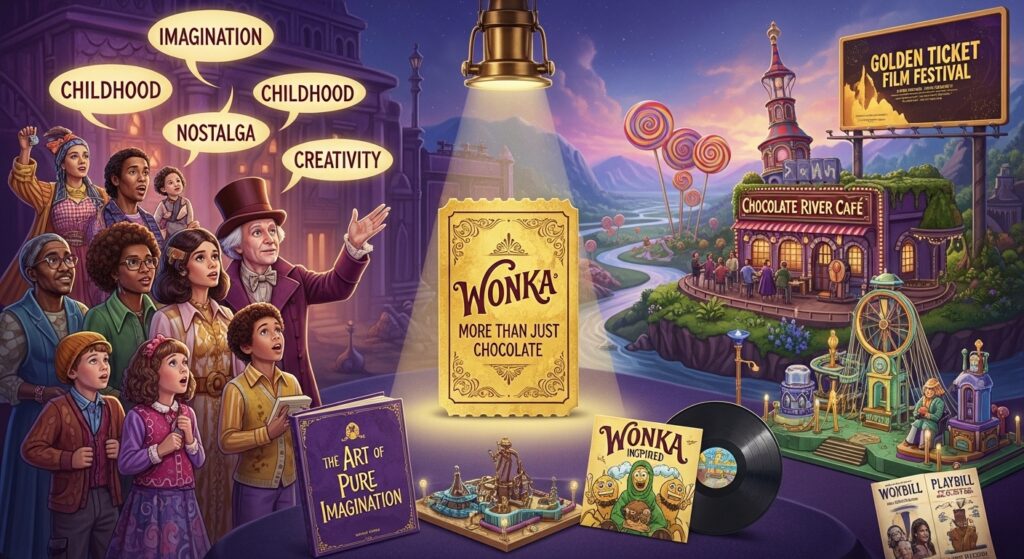
Step into a world where imagination meets confectionery delight—welcome to the enchanting universe of Wonka. From golden tickets to whimsical chocolate rivers, this beloved brand invites us on a journey filled with wonder and nostalgia. But there’s more to Wonka than just sweets and treats. It represents an intriguing blend of creativity, morality, and societal commentary that resonates across generations. Whether you grew up reading Roald Dahl’s classic tale or were captivated by Tim Burton’s cinematic rendition, the allure of Wonka transcends mere entertainment. Let’s unwrap the layers of this iconic figure together and explore what makes Wonka a lasting cultural phenomenon.
The history and evolution of Willy Wonka
Willy Wonka first emerged from the imaginative mind of Roald Dahl in 1964 with “Charlie and the Chocolate Factory.” This whimsical character combined elements of eccentricity and genius, captivating readers of all ages.
Dahl’s vibrant storytelling introduced us to a world where candy could come alive. The narrative showcased both wonder and moral lessons wrapped in chocolate.
In 1971, Gene Wilder brought Wonka to life on screen in one of the most beloved adaptations. His portrayal added layers to Willy’s persona, blending charm with an air of mystery that left audiences enchanted.
The evolution continued with Tim Burton’s vision in 2005. Johnny Depp’s interpretation took a darker turn, emphasizing Wonka’s quirky traits. Each adaptation redefined this iconic figure while maintaining his essence as a symbol of creativity.
Willy Wonka has since transcended generations, becoming a cultural icon that continues to inspire various forms of media today.
The cultural impact of ‘Wonka’: from literature to film
The world of ‘Wonka’ began with Roald Dahl’s beloved book, “Charlie and the Chocolate Factory.” The whimsical narrative captivated readers with its imaginative landscapes and moral lessons.
This enchanting tale quickly transcended its literary roots. In 1971, the film adaptation introduced a new generation to the eccentricity of Willy Wonka. Gene Wilder’s portrayal remains iconic, blending charm with unpredictability.
In recent years, Tim Burton reimagined the story in 2005, infusing it with his unique visual style. This darker twist renewed interest in ‘Wonka,’ showcasing its versatility across different interpretations.
Beyond cinema, ‘Wonka’ has inspired countless merchandise lines and themed attractions worldwide. Its influence is evident in pop culture references that celebrate creativity and imagination.
The character of Willy Wonka represents more than a chocolatier; he embodies dreams realized through curiosity and adventure. Each adaptation invites audiences to explore their own imaginations while highlighting timeless themes that resonate universally.
The characters of ‘Wonka’: analyzing their significance
The characters in ‘Wonka’ are vibrant and multi-dimensional. Each one represents unique traits that resonate with audiences across generations.
Willy Wonka himself is the eccentric genius, embodying creativity and whimsy. His unpredictable nature captivates us, inviting wonder while hiding deeper layers of loneliness.
Then there are the children—each a reflection of different societal flaws. Augustus Gloop symbolizes gluttony, Veruca Salt epitomizes entitlement, Violet Beauregarde showcases ambition taken too far, and Mike Teavee reveals our obsession with technology. Their journeys serve as cautionary tales wrapped in sweetness.
Supporting figures like Grandpa Joe provide warmth and wisdom. He serves as a bridge between childhood innocence and adult responsibility, grounding Willy’s fantastical world.
These characters don’t just entertain; they challenge us to reflect on our own lives. Through their quirks and fables, ‘Wonka’ sparks conversations about morality disguised within an enchanting narrative.
Chocolate as a symbol in ‘Wonka’
Chocolate in ‘Wonka’ transcends mere confectionery. It embodies dreams, imagination, and the pursuit of happiness. The enchanting factory serves as a backdrop where chocolate becomes an instrument of transformation.
Each type of candy represents different themes and morals. From the luxurious Wonka Bar to everlasting gobstoppers, these treats are more than just sweets; they reflect desires and ambitions. Children crave them not only for their taste but for what they symbolize—adventure, reward, and escape from reality.
Moreover, chocolate acts as a bridge between innocence and experience. Willy Wonka himself is both whimsical creator and cautionary figure. He guides the children through fantastical realms while also revealing life’s harsh truths hidden beneath the sugary facade.
In this magical world, chocolate invites everyone to dream big while reminding us that every sweet has its price—a universal lesson wrapped in vibrant packaging.
Behind the scenes: the making of the iconic chocolate factory
The magic of the chocolate factory begins long before the cameras roll. Designers and artists meticulously crafted every detail, transforming Roald Dahl’s whimsical vision into a tangible world.
From sketches to sets, each element aimed to capture the imagination. The vibrant colors and intricate designs were chosen not just for aesthetics, but to evoke wonder and nostalgia.
Building that iconic factory required innovative engineering too. Special effects teams designed creative solutions for scenes like the chocolate river and edible landscapes. Imagineators concocted recipes that made candy look delicious on screen while ensuring it was safe for actors.
Actors donned costumes as colorful as their characters, bringing life to this fantastical realm. The joy they felt mirrored our own—an experience rooted in childlike wonder.
Behind those walls of chocolate lies an entire crew dedicated to delivering pure delight through artful storytelling and unforgettable experiences. Each scene is a testament to creativity without bounds.
The legacy of ‘Wonka’ and its enduring popularity
The legacy of ‘Wonka’ is a sweet tapestry woven through generations. From the whimsical pages of Roald Dahl’s book to vibrant film adaptations, its charm transcends time. Each iteration brings fresh interpretations while honoring the original spirit.
Children and adults alike resonate with the extraordinary adventures within Willy Wonka’s factory. The allure of chocolate remains timeless, igniting imaginations worldwide.
Merchandising has also played a pivotal role in keeping ‘Wonka’ alive. From themed candies to immersive experiences, fans can indulge in their favorite fantasies.
Cultural references abound, ensuring that even those unfamiliar with the story feel its impact. Fashion trends inspired by characters emerge sporadically, showcasing ‘Wonka’ as an ever-evolving piece of popular culture.
Its messages about kindness and curiosity continue to inspire new audiences, reminding us all that magic exists just beyond our imagination.
Conclusion
The story of ‘Wonka’ transcends the boundaries of a simple tale about chocolate. It invites us into a whimsical world filled with imagination and creativity, reminding us of the power stories hold in shaping culture. Willy Wonka’s evolution from literature to film illustrates how timeless themes resonate across generations.
The characters within this fantastical narrative are not just figments of imagination; they represent deeper societal reflections. Each character carries their own significance, contributing to the rich tapestry that is ‘Wonka’. Chocolate serves as more than just a treat; it becomes symbolic of dreams, desires, and even moral lessons.
Behind every magical scene lies hard work and innovation. The making of the iconic chocolate factory showcases artistic vision combined with technical mastery that captivates audiences worldwide.
As ‘Wonka’ continues to delight both old fans and new viewers alike, its legacy remains secure in our cultural landscape. This enchanting world will inspire countless interpretations for years to come—inviting everyone to believe in magic once again.